

Laptop Industry Update 2026: AI PCs, Memory Price Pressure, and Windows 11 Upgrade Demand
Introduction
The laptop industry in 2026 is being shaped by three major forces: the rise of AI PCs, continued pressure from memory and SSD prices, and replacement demand driven by Windows 11 adoption.
These trends do not only affect consumer laptop sales. They also matter for importers, distributors, education buyers, enterprise buyers, government project buyers, and private-label laptop brands. For B2B buyers, the main challenge is not simply finding a laptop with a lower price. It is choosing a configuration that can remain practical, competitive, and available during a changing market cycle.
As component prices move, AI-capable platforms become more visible, and more organizations replace older Windows 10 devices, buyers need to review laptop configurations more carefully before placing bulk orders. CPU platform, RAM capacity, SSD storage, operating system support, quotation validity, lead time, and repeat-order stability have all become more important in laptop procurement decisions.
Why the Laptop Market Is Changing in 2026
The laptop market in 2026 is influenced by several overlapping factors. Business replacement cycles are continuing after years of mixed remote work, hybrid work, and delayed IT upgrades. Schools and government buyers are still reviewing device needs for digital learning and public projects. At the same time, operating system requirements are pushing many organizations to replace older hardware.
Another important factor is the arrival of new hardware platforms. More laptop processors now include dedicated AI acceleration, often through an NPU. This has made AI PCs one of the most discussed topics in the market. However, AI PC demand is not the only force shaping laptop procurement.
Memory and SSD costs are also creating pressure. For laptop manufacturers and bulk buyers, RAM and storage are major cost items. When memory prices rise, quotations may change more quickly, and suppliers may shorten price validity. This makes purchase timing and configuration planning more important.
For buyers, the 2026 laptop market requires more careful planning. A quotation should not be reviewed only by unit price. Buyers also need to consider configuration balance, component availability, production schedule, warranty terms, and whether the same model can support future repeat orders.
AI PCs Are Becoming a Key Industry Topic
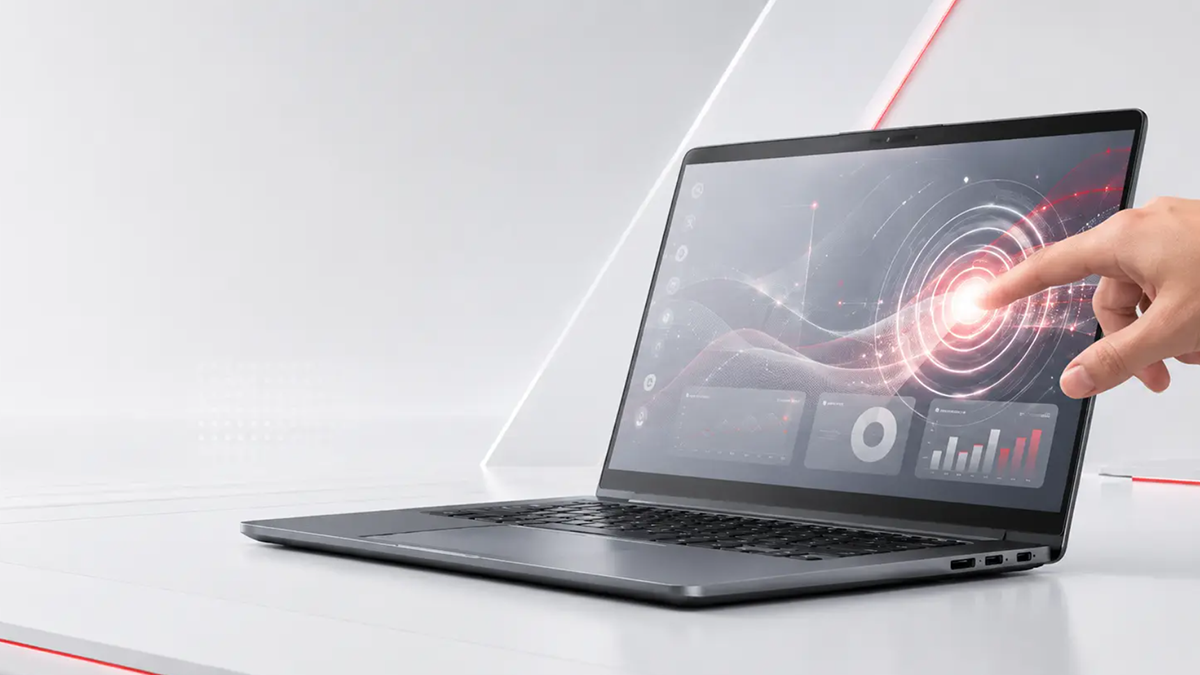
AI PCs are becoming an important topic across the laptop industry. In simple B2B language, an AI PC usually refers to a laptop that includes hardware designed to accelerate AI tasks locally. This may include processors with NPU support or other AI acceleration capability.
Intel, AMD, Qualcomm, and Apple have all been pushing AI-capable hardware platforms in different ways. The purpose is to allow laptops to handle more AI-related tasks locally instead of relying only on cloud processing. These tasks may include AI assistants, image processing, background effects, language tools, productivity features, and future business software functions.
For B2B buyers, the important question is not only whether a laptop is called an AI PC. The more practical question is whether the target users truly need local AI performance.
Some business users may benefit from AI-ready devices, especially if they use new productivity tools, creative software, or AI-assisted workflows. However, many education, office, training, and public-sector projects may still need stable general-purpose laptops more than high-cost AI platforms.
AI PC development is important, but buyers should not follow the trend blindly. The right decision depends on the application, budget, target market, and expected product life cycle.
What AI PC Demand Means for Bulk Laptop Buyers
AI PC demand may affect bulk laptop buying in several ways. First, more customers may start asking about newer CPU platforms, NPU capability, larger memory, and faster SSD storage. This can raise the baseline expectation for mid-range and higher-end laptops.
Second, AI-related laptop platforms may increase the importance of RAM capacity. A laptop that is expected to support modern multitasking, Windows 11, AI features, video meetings, and browser-based work may need more memory than an older entry-level device. For many business buyers, 16GB RAM may become a more attractive option than 8GB RAM for long-term use.
Third, AI-capable platforms may require better thermal design and power management. A laptop with a stronger processor is not only about performance. It must also manage heat, fan noise, battery life, and long-term stability.
However, not every project needs an AI PC. A school project, office deployment, government tender, or reseller program may still be better served by a balanced configuration with stable supply and reasonable cost. Buyers should ask what the device will actually do every day.
The best approach is to classify the target market first. If the buyer is targeting high-end business users, creative users, or future-ready enterprise customers, AI-ready configurations may be worth considering. If the buyer is serving budget education, basic office, or price-sensitive channels, a stable mainstream laptop may still be the better choice.
Memory and SSD Price Pressure Is Affecting Laptop Costs
Memory and SSD price pressure is one of the most important cost factors for laptop buyers in 2026. RAM and storage are not small details in laptop production. They directly affect the final unit cost, especially for configurations such as 16GB RAM, 32GB RAM, 512GB SSD, and 1TB SSD.
When DRAM and NAND prices rise, laptop quotations may change more frequently. Suppliers may also reduce quotation validity periods because component costs can move quickly before the order is confirmed. For buyers who are used to comparing quotations over several weeks or months, this creates additional risk.
This situation is especially important for bulk buyers. A small component price change may not seem serious for one unit, but it can create a meaningful cost difference across hundreds or thousands of laptops.
Buyers should also understand that a low quotation may not always remain valid if the order is delayed. If the buyer confirms the project late, the supplier may need to recalculate the cost based on updated memory, SSD, CPU, battery, or display prices.
In 2026, component price communication is part of professional laptop procurement. Buyers should not treat old quotations as fixed market prices.
How Buyers Can Reduce Risk During Component Price Changes
Buyers can reduce risk by confirming RAM and SSD costs before placing bulk orders. When the target configuration and quantity are clear, it may be useful to confirm whether key components can be reserved or whether the price can be held for a defined period.
Buyers should avoid relying on old quotations for too long. A quotation from several weeks ago may no longer reflect the current component market, especially if the order includes large RAM or SSD capacity.
It is also useful to prepare several configuration options. For example, a buyer may compare 8GB RAM with 256GB SSD, 16GB RAM with 512GB SSD, and 16GB RAM with 1TB SSD. This helps the buyer balance budget, target market positioning, and expected user experience.
For resellers, this is especially important. If the local market is price-sensitive, the buyer may need a lower configuration for entry-level channels and a stronger configuration for business users. Preparing multiple options can make the sales plan more flexible.
Buyers should also communicate order timing clearly. If a project is still uncertain, the supplier may only provide a reference quotation. Once the quantity, configuration, and delivery plan become clearer, the supplier can provide a more practical cost update.
Windows 11 Upgrade Demand Continues to Support Laptop Replacement
Windows 11 upgrade demand continues to support laptop replacement in 2026. Many businesses, schools, and organizations still need devices that can support newer operating systems, stronger security requirements, and longer software use.
For buyers managing older laptop fleets, Windows 11 compatibility is not only a software question. It can become a hardware replacement issue. Some older devices may not meet the required platform standards or may not provide the stability needed for long-term use.
This creates opportunities for laptop suppliers that can offer Windows 11-ready models for office, education, government, and project-based procurement. Buyers may look for devices that support modern processors, TPM, sufficient RAM, SSD storage, stable drivers, and long-term system use.
For B2B buyers, Windows 11 demand should be treated as part of product planning. It affects the CPU platform, memory choice, storage capacity, driver testing, system image preparation, and after-sales expectations.
A laptop that only meets today’s minimum requirement may not be the best choice for a multi-year deployment. Buyers should think about how long the device needs to remain useful in the customer’s environment.
What Windows 11 Demand Means for Laptop Configuration
Windows 11 support should be reviewed before bulk production. Buyers should confirm CPU generation, TPM support, RAM capacity, SSD storage, driver compatibility, wireless stability, and system activation requirements.
For many business and education buyers, a balanced Windows 11 configuration may include a modern CPU, SSD storage, stable wireless connectivity, enough memory for multitasking, and practical ports for daily work. If the laptop is used for video meetings, online classes, office software, and browser-based tools, buyers should also test camera, microphone, speaker, and Wi-Fi performance.
RAM capacity is especially important. Although some entry-level configurations may still work for basic use, many buyers prefer 16GB RAM for a smoother long-term experience. SSD storage should also be selected based on real user needs. A 256GB SSD may be enough for simple office use, while 512GB or 1TB storage may be better for business users, students, or local file storage.
For project orders, Windows 11 planning may also include language settings, system image preparation, driver testing, asset labels, serial number records, and packaging information. These details should be confirmed before mass production.
Entry-Level Laptops Still Have Demand, But Configuration Strategy Matters
Entry-level laptops still have demand in 2026. They remain useful for education projects, training centers, basic office work, public programs, reseller channels, and price-sensitive regions.
However, buyers should be careful not to choose configurations that are too weak for long-term use. A very low-cost laptop may reduce the purchase price, but it can also create user complaints, slow performance, short product life, and higher after-sales pressure.
A balanced entry-level laptop should consider screen quality, memory, storage, keyboard layout, ports, battery life, camera, Wi-Fi, and packaging. For education and office use, user experience matters. If the laptop is too slow or difficult to use, the project may fail even if the unit price looks attractive.
Buyers should also consider the target user. A student device, office device, training device, and reseller product may need different configurations. One model may not fit every channel.
The best strategy is to define the use case first, then choose the lowest configuration that can still deliver acceptable long-term performance.
Mid-Range Business Laptops May Become More Important
Mid-range business laptops may become more important in 2026 because buyers are becoming more careful about long-term value. When memory and SSD prices rise, choosing the cheapest configuration may not always be the best way to protect profit.
A mid-range business laptop can offer a more balanced product position. It may include a stable CPU platform, 16GB RAM option, SSD upgrade support, richer ports, better keyboard experience, and Windows 11 compatibility. These features can make the product easier to sell to business, education, and professional users.
For distributors and resellers, mid-range models may also reduce after-sales pressure. A laptop that performs better over time can help protect customer satisfaction and brand reputation.
For private-label buyers, a mid-range business laptop can support clearer market positioning. Instead of competing only on the lowest price, buyers can promote stability, office use, practical configuration, and long-term usability.
This does not mean entry-level laptops should be ignored. It means buyers should build a clear product ladder. Entry-level models can serve budget channels, while mid-range models can serve business users, education projects, and higher-value reseller programs.
Key Factors to Check Before Placing Bulk Laptop Orders in 2026
Before placing a bulk laptop order in 2026, buyers should review more than the basic specification sheet. A practical checklist should include CPU platform, RAM capacity, SSD capacity, RAM and SSD price validity, screen size, screen resolution, port selection, keyboard language, operating system support, battery capacity, camera, microphone, Wi-Fi, Bluetooth, packaging, accessories, warranty terms, lead time, and supplier communication speed.
Buyers should also confirm whether the model can support future repeat orders. A laptop that is only available for one short batch may not be suitable for a distributor or private-label brand that needs stable supply.
Logo and packaging options should be discussed early. If the order requires logo printing, boot logo, keyboard language, color box, labels, user manual, or carton marks, these details should be confirmed before mass production.
Sample testing is also important. Buyers should test the laptop with real software, real usage conditions, and target-market expectations before approving a bulk order.
The goal is not only to buy laptops. The goal is to reduce production risk, protect delivery schedules, and build a product that can serve the buyer’s market.
Why Working with an OEM/ODM Laptop Supplier Matters
Working with an OEM/ODM supplier can help buyers respond more effectively to market changes. Instead of only buying ready-made models, buyers can discuss configuration adjustments, branding needs, packaging details, and target-market positioning.
OEM support may include logo printing, boot logo, wallpaper, keyboard language, user manual, packaging, labels, and carton marks. ODM support may involve deeper product planning, such as structural review, screen selection, port layout, thermal design, battery planning, or software image requirements.
This flexibility is useful in a market where AI PC demand, memory price pressure, and Windows 11 replacement demand are all influencing laptop decisions. Buyers may need to adjust RAM, SSD, CPU, or packaging strategy based on cost and market feedback.
OEM/ODM support is especially valuable for distributors, resellers, education buyers, enterprise buyers, and private-label brands. These buyers often need more than a standard model. They need products that match local market demand and can support future orders.
A good supplier should help buyers compare options clearly, explain the cost impact of each configuration, and prepare a practical production plan.
Great Asia’s Support for Laptop Buyers
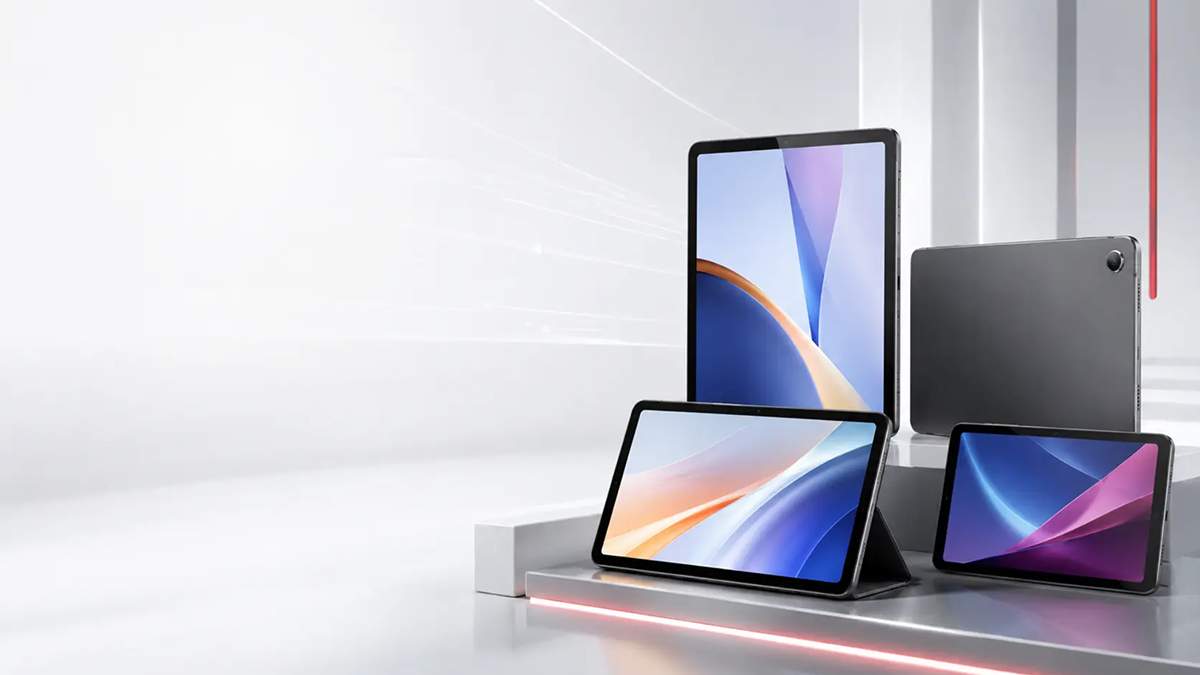
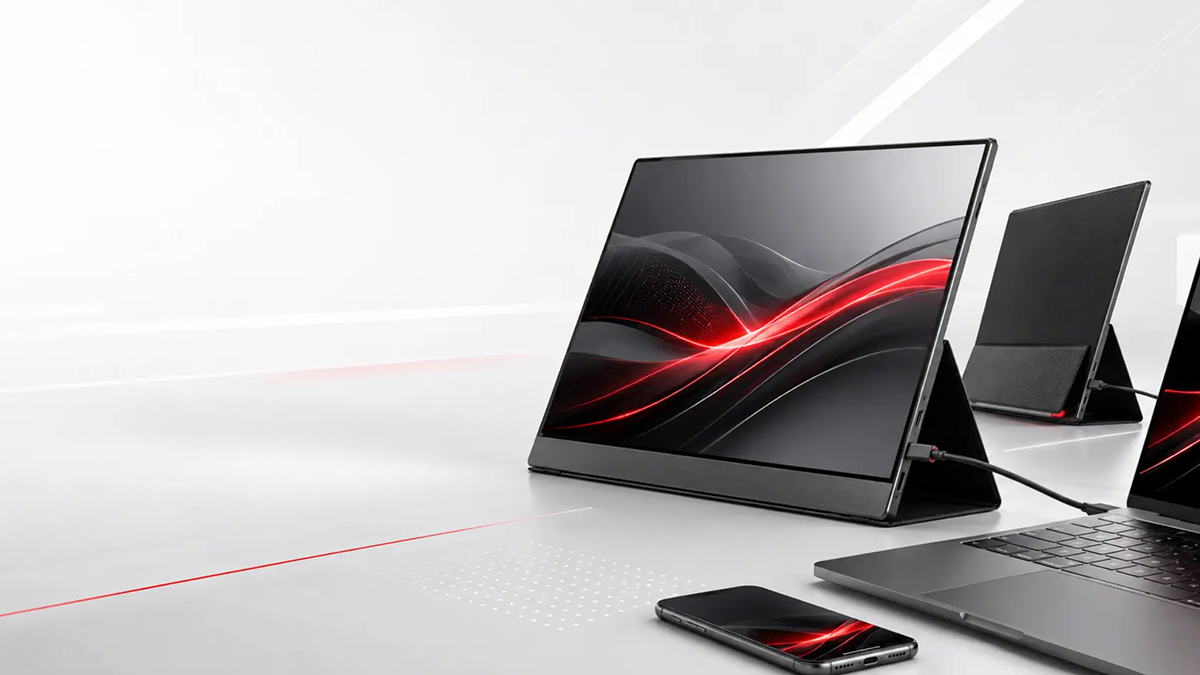
Great Asia supports global B2B buyers with custom laptops, touch laptops, tablet PCs, all-in-one PCs, portable monitors, and mini PCs. For laptop projects, the team can help buyers review configuration options, target-market requirements, OEM branding needs, packaging plans, quality control standards, and repeat-order possibilities.
For buyers affected by memory and SSD price changes, Great Asia can help compare different configuration levels and explain how RAM and storage choices may affect the final cost. For Windows 11-ready laptop projects, the team can help review CPU platform, system support, RAM, SSD, drivers, and related production details.
For private-label and reseller projects, Great Asia can support logo-related branding, keyboard language discussion, packaging preparation, sample confirmation, and production coordination based on the selected model, order quantity, and customization scope.
The goal is to help buyers avoid unclear product decisions before production starts. By confirming configuration, customization, packaging, and QC requirements early, buyers can reduce risk and make future orders easier to manage.
Related Cases
MORE >-
![field.arcurl}]()
Laptop Computer Ports Exp
Welcome to our brand-new office, which is not only a new stronghold for our team's collaboration and innovation bu
-
![field.arcurl}]()
Best Touch Screen Laptops
Shenzhen Tengteng High-tech Electronic Technology Co., Ltd. - As a leader in the field of USB Type-C audio technology,
-
![field.arcurl}]()
Laptop Supplier Audit Che
In the wave of digital audio revolution, “Walk Play” APP with its cutting-edge technology brings USB Type-C digital hea
-
![field.arcurl}]()
Laptop Industry Update 20
The laptop industry in 2026 is being shaped by three major forces: the rise of AI PCs, continued pressure from memory and SSD
Get the latest price? We'll respond as soon as possible(within 12 hours)